blog
.avif)
How to Get Rid of Black Algae Stains on Your Driveway
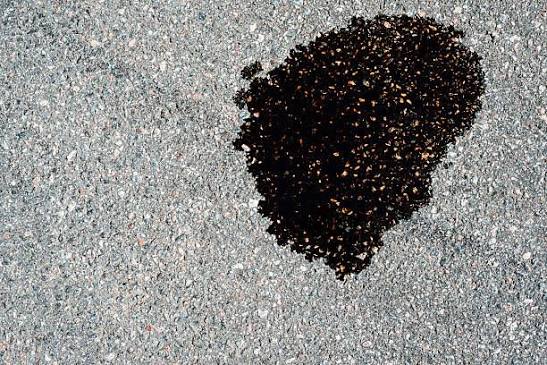
If you've noticed dark, almost black staining concentrated in specific areas of your driveway, particularly in shaded spots, along edges near the lawn, or in low-lying areas where water pools after rain, you're dealing with one of the most stubborn and misunderstood driveway staining problems Texas homeowners encounter. Black algae on concrete driveways looks like dirt, behaves nothing like dirt when you try to clean it, and requires a fundamentally different treatment approach than standard driveway grime.
What Black Algae Actually Is
Not Dirt, Not Mold, Not Regular Algae
Black algae is a specific type of cyanobacteria, a photosynthetic microorganism that forms extremely tough, deeply rooted colonies on porous surfaces including concrete driveways. Despite its common name, black algae is technically distinct from the green algae that also grows on driveways and from mold or mildew, and this distinction matters because black algae has specific characteristics that make it dramatically more resistant to removal than these other types of biological growth.
The Protective Shell That Makes It So Stubborn
What separates black algae from other biological growth on driveways is its outer protective layer, a hard, dark shell that the organism produces specifically to shield itself from UV radiation, chlorine, and other hostile environmental conditions. This protective shell is what gives black algae its characteristic dark color and what makes standard cleaning approaches so ineffective against it: you're trying to remove an organism that has specifically evolved to resist the conditions it encounters on an outdoor concrete surface.
Deep Root Systems That Anchor Into Concrete
Beneath the visible dark surface layer, black algae develops root-like structures called holdfasts that penetrate into the concrete's pore structure, physically anchoring the colony to the surface material. These holdfasts extend deeper into concrete than the surface manifestation visible from above suggests, which is why scrubbing away the visible dark layer often produces only temporary improvement before the colony regenerates from the surviving root system below.
Why Black Algae Appears in Specific Areas
Shade Is the Primary Location Factor
Black algae establishes most aggressively in areas of your driveway that receive limited direct sunlight, since shade keeps the surface damp longer after rain and prevents the UV exposure that would otherwise suppress biological growth. The north-facing edge of your driveway, areas shaded by your home's roofline or by nearby trees, and spots near fence lines or other structures that cast consistent shade are the most common black algae locations on residential driveways.
Moisture Retention Creates the Growth Condition
Areas of your driveway where water pools after rain, where irrigation runoff concentrates, or where the concrete stays damp longer than surrounding areas due to drainage patterns create the persistent moisture conditions that black algae requires to establish and maintain colonies. Low spots, areas near downspouts, and sections adjacent to lawn areas where grass root systems retain moisture near the concrete edge are all common black algae zones for this reason.
Why Standard Cleaning Approaches Fail
Scrubbing Removes the Surface but Leaves the Roots
The most common DIY response to black algae staining is scrubbing with a stiff brush and whatever cleaning solution is available, which removes the visible dark surface layer temporarily while leaving the holdfast root system intact in the concrete below. This is exactly why black algae staining that was scrubbed away seems to come back so quickly, because it never actually left. The colony regenerates from the surviving root system within weeks rather than having been genuinely eliminated.
Standard Bleach Solutions Don't Penetrate the Protective Shell
Household bleach at standard dilution concentrations, which works reasonably well against surface mold and mildew, is largely ineffective against black algae's protective outer shell. The bleach solution contacts the shell surface without penetrating to the living organism beneath in concentrations sufficient to kill the colony, producing a brief color change that fades as the colony recovers rather than genuine elimination.
Pressure Washing Alone Blasts the Surface Without Addressing the Root
High-pressure water removes the loose surface layer of a black algae colony effectively but cannot physically dislodge the holdfast root system that's mechanically anchored into the concrete pores. Post-pressure-washing black algae staining that looks improved immediately after cleaning often shows visible regrowth within three to six weeks as the surviving root system produces a new surface colony from the intact biological foundation below.
What Professional Treatment Actually Addresses
Pre-Treatment That Penetrates the Protective Shell
Professional power washing of black algae staining uses pre-treatment solutions specifically formulated to penetrate the protective outer shell of black algae colonies and reach the living organism beneath it, rather than just contacting the shell surface as standard bleach solutions do. This penetrating pre-treatment is the step that determines whether treatment genuinely eliminates the colony or simply removes the surface layer temporarily.
Dwell Time That Allows Complete Penetration
Effective black algae treatment requires appropriate dwell time after pre-treatment application, during which the treatment solution penetrates through the shell and into the colony structure. Rushing this step by pressure washing immediately after pre-treatment application reduces effectiveness by not allowing sufficient time for penetration before the mechanical removal phase begins.
Pressure Washing After Complete Pre-Treatment
Once appropriate dwell time has allowed pre-treatment to penetrate and address the colony, pressure washing removes the now-compromised biological material along with the loosened root system more completely than pressure washing alone could achieve against an untreated, intact colony.
Follow-Up Treatment for Severe or Long-Established Staining
Black algae colonies that have been in place for multiple seasons without treatment may require more than a single treatment cycle to completely eliminate, since deeply established root systems may need a second treatment pass to fully address after the initial treatment removes the surface colony and reveals the full extent of the root penetration below.
Preventing Black Algae From Returning
Sealing After Treatment
Applying a quality concrete sealant after professional black algae treatment closes the pore structure that black algae holdfasts root into, making future colony establishment significantly more difficult. Sealed concrete provides a less hospitable surface for black algae anchoring than unsealed porous concrete, extending the time before new growth can establish to the point of visible staining.
Managing Shade and Moisture
Where practically possible, reducing the shade and moisture conditions that favor black algae growth slows reestablishment. Trimming back tree branches that create heavy shade over specific driveway sections and addressing drainage patterns that cause water to pool in certain areas both reduce the environmental conditions that make your driveway hospitable to black algae.

Get Rid of Black Algae for Good
Black algae on your driveway is one of the cleaning challenges where the difference between a professional treatment that genuinely addresses the root system and a surface-level DIY attempt that temporarily improves appearance is most dramatic and most consequential. Professional treatment that penetrates the protective shell and addresses the colony at its root eliminates black algae rather than temporarily suppressing its visible surface expression.
Request your power washing quote here.

Detail You Can See. Quality You Can Trust.
Contact Us


Find us on


